Wicket Bags for Fresh Produce
Product Overview
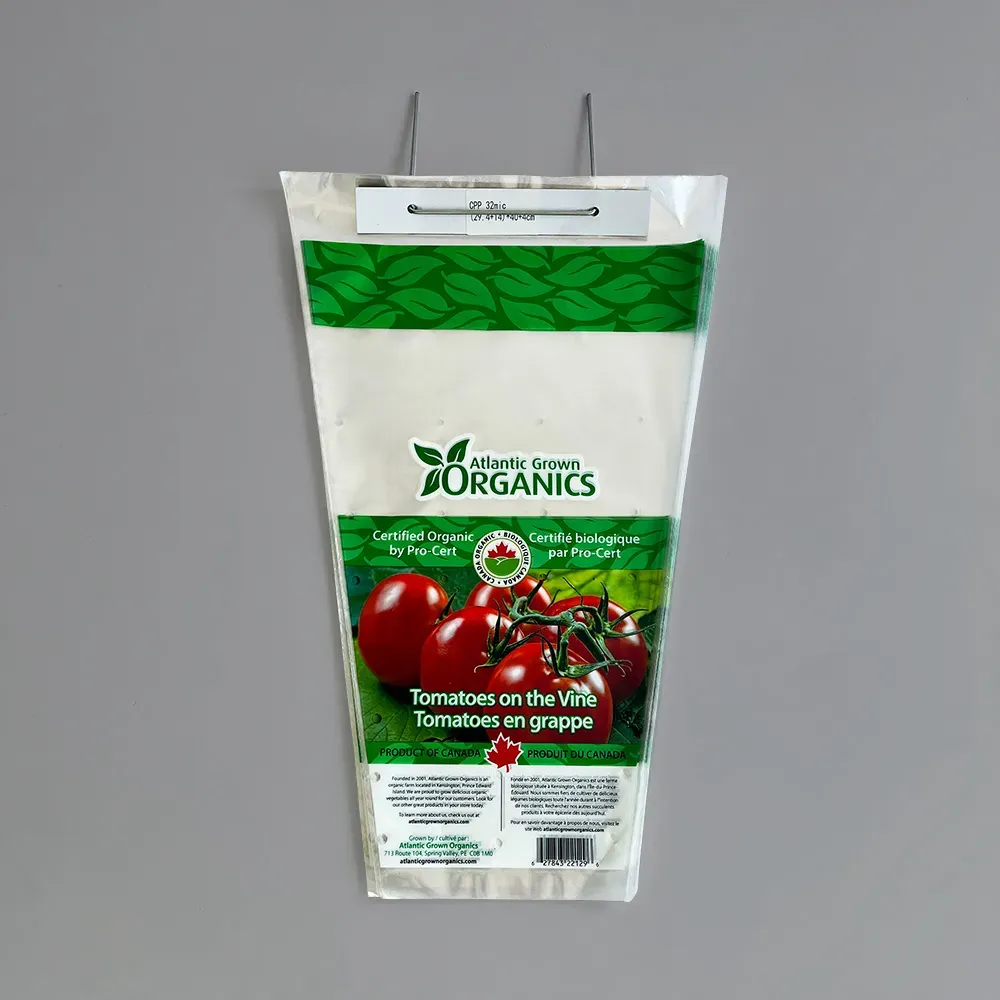
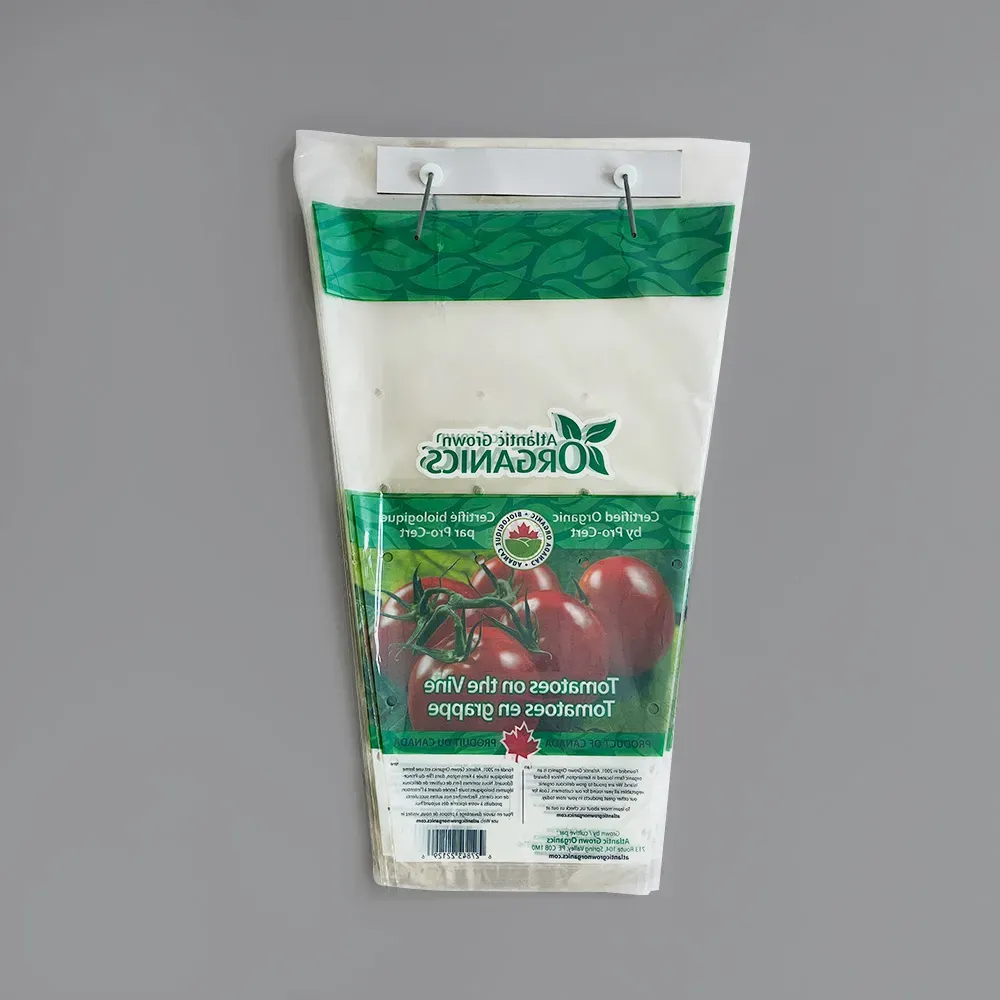
Wicket Bags for Fresh Produce, also known as wicketed bags, connected wicket bags, or iron rod stacked bags, are food-grade flexible plastic packaging consumables designed for automated production lines. The top of each bag is pre-punched, allowing them to be stacked on a metal wicket rod in an orderly manner. These bags can be hung on automated packaging machines, conveyor tables, or supermarket packing stations for fast, single-bag separation, eliminating the need for manual handling. They are a core consumable in the automated packaging of fresh fruits and vegetables.
Structure Features
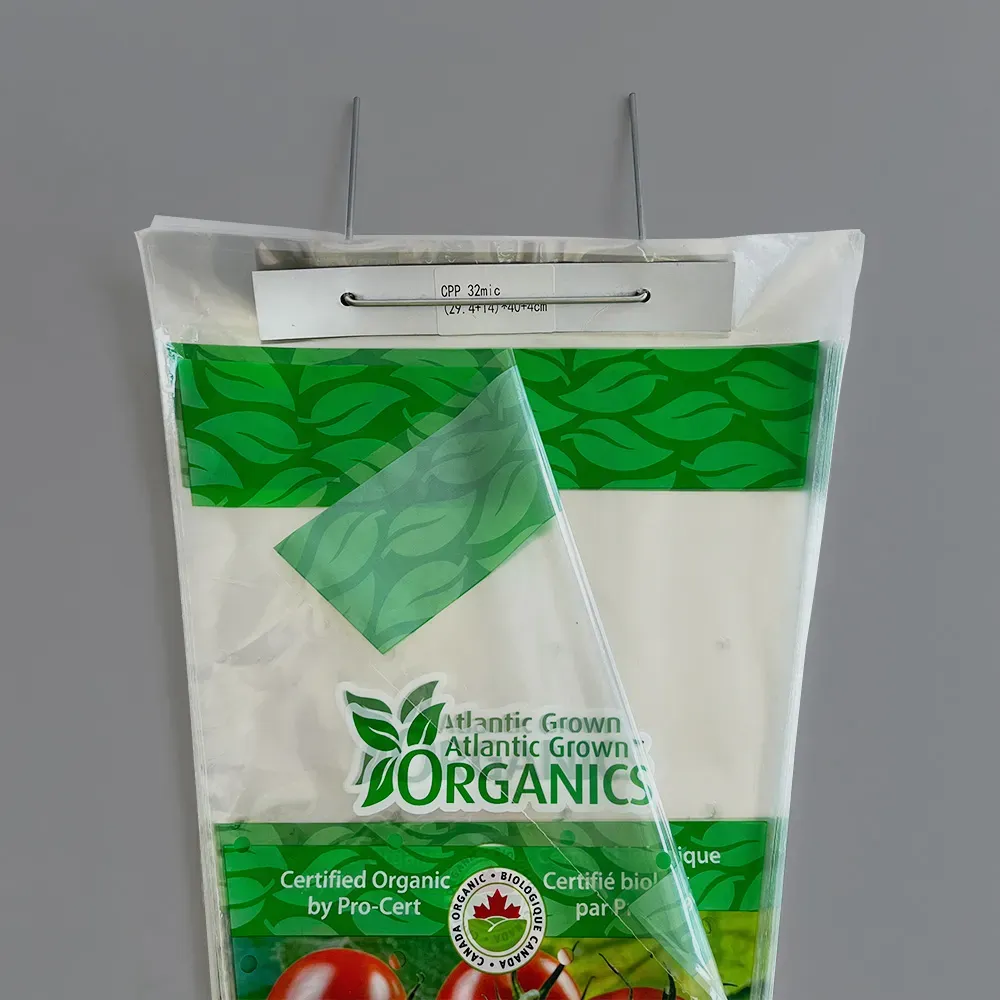
The basic structure of Wicket Bags for Fresh Produce includes: bag body, heat-sealed edges, reinforced header at the top, punched wicket holes, tear lines, and breathable micro-holes (for fresh produce). Unlike ordinary flat bags, their main characteristics are connected rods, easy tearing, and hanging capabilities. They are suitable for high-speed automated production lines, providing uniform tearing strength, no adhesion, and no breakage.
Market Positioning
Our factory focuses on manufacturing food-grade fresh produce wicket bags, mainly disposable transparent wicket bags, emphasizing factory-direct supply, export, bulk wholesale, and brand customization. The main export regions include Europe, the US, Australia, the Middle East, and South America, serving overseas farms, fresh produce processing plants, chain supermarkets, food wholesalers, and automated packaging enterprises. Products meet high-standard food contact certifications and are supplied to legitimate overseas fresh produce supply chains.
Industry Attributes
Wicket bags are consumable, essential, and generally do not have seasonal demand fluctuations. They are lightweight, stackable, have high packing density, and low shipping costs. Compared to regular flat bags, wicket bags have higher technical requirements including punching, rod mounting, reinforced headers, and breathable micro-holes. High-quality production is limited, providing stable export premium potential.
Material Characteristics
The main export materials are food-grade PE and CPC enhanced materials, all made from virgin plastic without recycled content. Two materials are suitable for different fresh produce types, climates, and automated equipment.
PE Material
- Food safety: Virgin PE, free from heavy metals and plasticizers; FDA & EU food contact certified.
- Soft and flexible: Does not become brittle in cold storage.
- High transparency: Clear view of produce, ideal for supermarket display.
- Good process adaptability: Easy punching, heat sealing, and micro-hole creation.
- Cost-effective: Suitable for large-volume orders.
CPC Material
- High strength: Resistant to stretching and puncture, suitable for heavy produce like potatoes or onions.
- Excellent stiffness: Smooth bag surface, no adhesion, compatible with automated machines.
- Wide temperature range: -25℃ to 70℃, suitable for cold chain.
- Moisture and oxidation resistance: Dense structure slows produce deterioration.
- High visual clarity: Transparent and glossy for premium supermarket display.
Other Materials
Customizable materials include biodegradable PLA (corn starch) for eco-friendly markets, thickened PP for heavy-duty industrial use, and anti-static composite films for cold chain protection.
Compliance Standards
All materials are free of fluorescent agents and harmful additives. Products can provide SGS, FDA, EU 10/2011, and ROHS certifications, meeting customs inspection requirements in Europe, America, Australia, and the Middle East.
Production Process
- Raw Material Selection & Mixing: Use food-grade virgin pellets, adding anti-stick, anti-oxidation, and anti-fog masterbatches as needed.
- High-Temperature Film Extrusion: Extrusion with ±0.01mm thickness precision, bi-directional stretching for strength and transparency.
- Bag Cutting & Heat Sealing: Automatic sealing and cutting for precise dimensions.
- Header Reinforcement & Punching: Double-layer header and precise punched holes for rod mounting.
- Breathable Micro-Hole Processing: Custom micro-holes for ventilation and produce respiration.
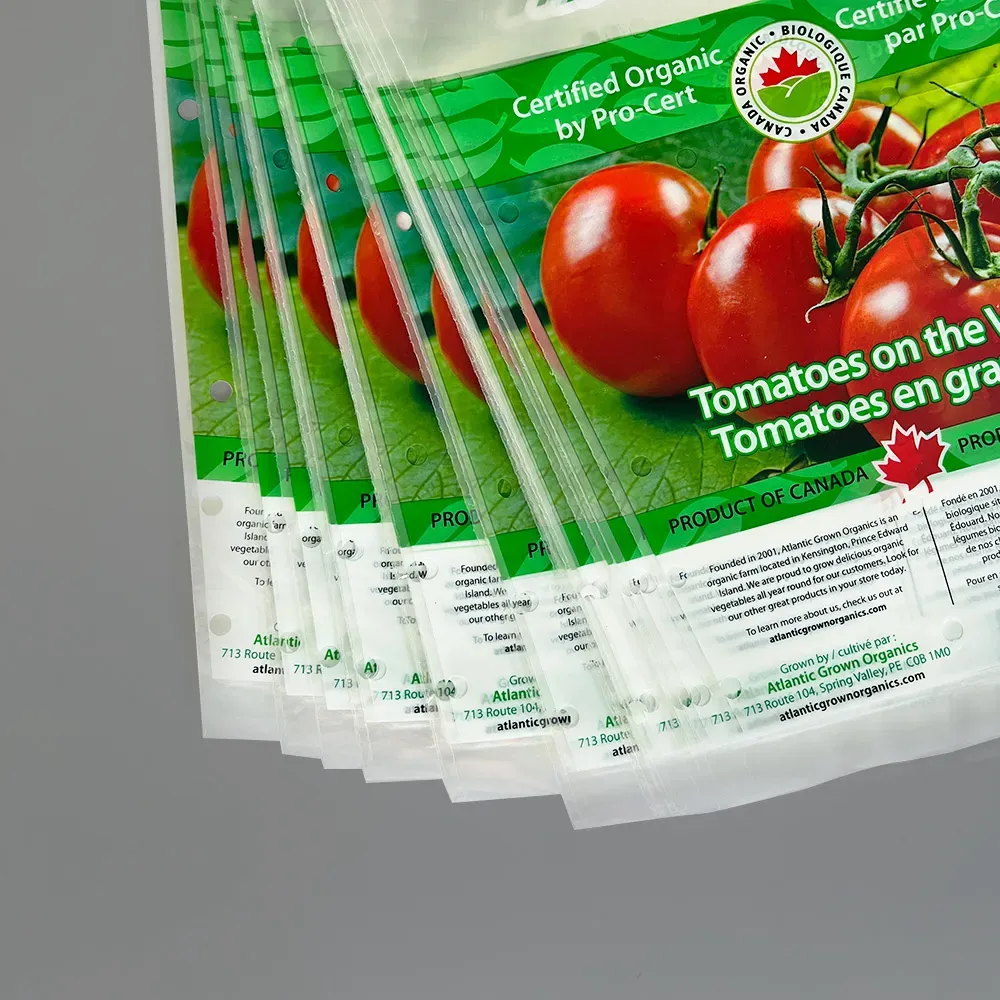
- Stacking & Rod Insertion: Bags stacked and inserted on zinc-plated rods for automated packaging.
- Custom Printing: Food-grade inks for logos, barcodes, or branding.
- Quality Inspection: Automated + manual checks for defects, tear strength, and leak testing.
- Packaging & Storage: Moisture-proof packaging, labeling, and storage for bulk export.
Common Sizes & Thickness
| Size (inch) | Actual Size (mm) | Standard Thickness (mm) | Thickened (mm) | Suitable Produce | Main Material | Breathable Configuration |
|---|---|---|---|---|---|---|
| 6*12 | 150*300 | 0.06 | 0.08 | Cherries, cherry tomatoes, small berries | PE | Fine micro-holes |
| 8*15 | 200*380 | 0.07 | 0.09 | Leafy greens, lettuce, spinach | PE | Double-sided micro-holes |
| 10*18 | 250*450 | 0.08 | 0.11 | Apples, oranges, lemons, citrus | PE/CPC | Single-sided micro-holes |
| 12*20 | 300*500 | 0.10 | 0.13 | Potatoes, onions, carrots, root vegetables | CPC | Large perforation |
| 14*24 | 350*600 | 0.12 | 0.15 | Cabbage, Chinese cabbage, Hami melon | Thickened CPC | Multi-row perforations |
Application OF Wicket Bags
Automated Fresh Produce Packing Lines
Wicket bags are specially designed with wicket pins and header holes to fit automatic packaging machines. They enable fast continuous bag feeding, seamless separation, and high-speed packing for fruits, vegetables, and agricultural products, greatly improving production efficiency for food processing factories.
Supermarket & Retail Fresh Food Display
The transparent and high-clarity bag body makes fruits and vegetables visually attractive on retail shelves. Widely used for pre-packaging tomatoes, grapes, lemons, onions, and leafy greens. The neat packing appearance meets international supermarket display standards.
Farm Harvest & On-Site Sorting
Agricultural planting bases use wicket bags for on-site harvesting, weighing, and classification. The durable tensile header design prevents tearing during manual sorting and carrying, ideal for bulk picking of root vegetables and seasonal fruits.
Cold Chain Logistics & Refrigerated Transportation
Made of low-temperature resistant PE and CPC materials, the bags remain soft and tough under cold storage conditions. With breathable micro-hole design, they reduce condensation, keep vegetables and fruits fresh, and extend shelf life during long-distance refrigerated shipping.
Food Processing & Pre-Cutting Vegetable Factory
Processed fruits, washed leafy vegetables, and pre-cut agricultural products require hygienic disposable packaging. Wicket bags provide clean, dust-proof, and pollution-free packing solutions for deep-processing food factories.
Wholesale Distribution & Export Agricultural Trade
Wicket bags are lightweight, stackable, and suitable for container shipping. They are widely used by international wholesalers for bulk agricultural export. Custom printing, food-grade certification, and stable quality fully meet foreign customs and market access requirements.
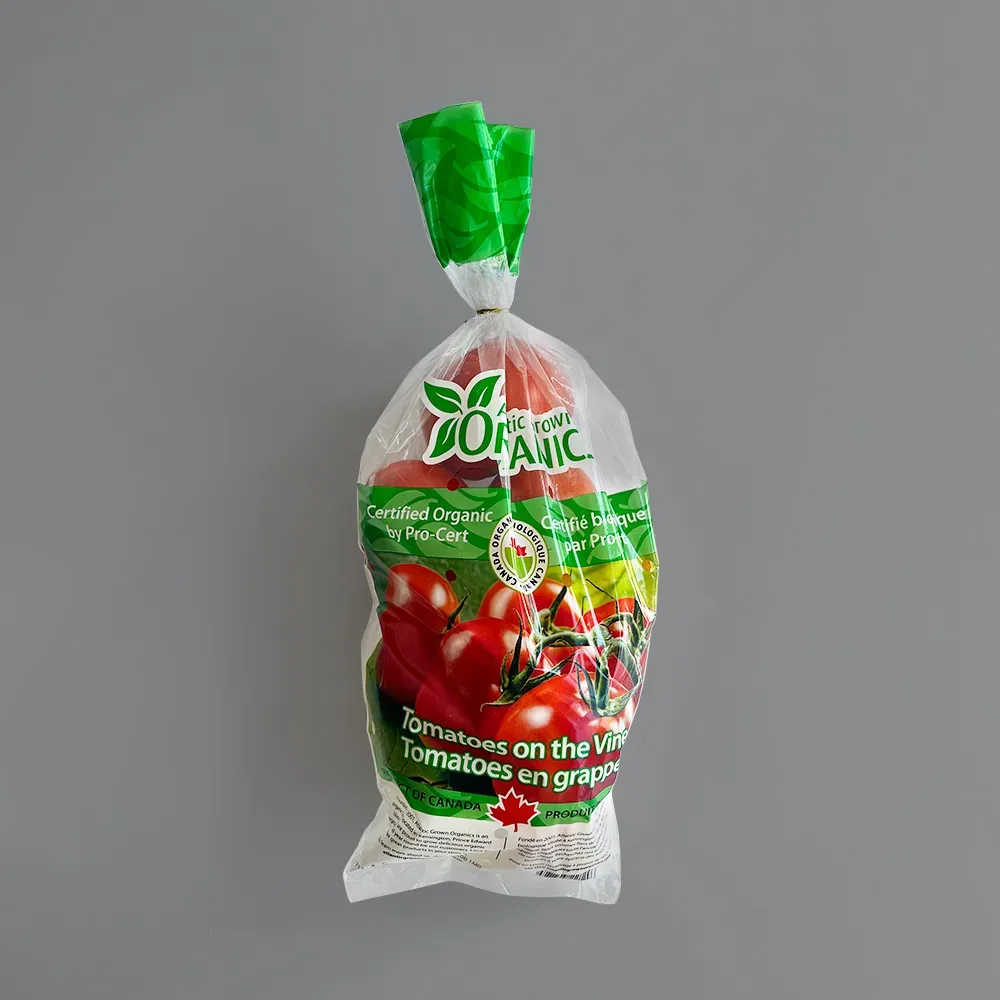
Features of Wicket Bags for Fresh Produce
- Connected Rod Design: Easy to hang, neatly organized, prevents confusion on machines, significantly improving automated packing efficiency.
- Reinforced Header Holes: Double-layer reinforced edges resist repeated pulling and high-frequency mechanical tearing.
- Freshness Preservation Design: Multiple processes including breathable holes, anti-fog, and anti-oxidation extend the shelf life of fruits and vegetables.
- High Transparency for Visualization: Facilitates supermarket scanning, weighing, and sorting, allowing consumers to visually inspect produce quality.
- Low-Temperature Adaptability: Suitable for cold-chain storage, refrigerated shipping, and overseas cold storage, resistant to aging and cracking.
Advantages of Wicket Bags for Fresh Produce
- Upgraded Punching Process: Hole positions are burr-free and crack-free, resistant to breakage during long-distance shipping.
- Balanced Bag-Tearing Strength: Uniform tear point strength, ensuring zero bag jams or adhesion on automated equipment.
- Precise Control of Breathable Holes: Hole sizes customized according to produce respiration rates, providing superior anti-spoilage and preservation effects compared to standard industry bags.
- Shipping Moisture-Proof Reinforcement: Outer cartons with moisture-proof film and reinforced cardboard prevent bag adhesion caused by shipping humidity.
- Odorless and Non-Polluting: High-temperature deodorization process eliminates plastic odors, meeting fresh food sensory standards.
Factory Direct Supply Model
Our factory is a source manufacturer with independent film extrusion, bag-making, printing workshops, and automated rod-insertion production lines; no intermediaries or distribution markups. Directly connecting with overseas traders, fresh produce processing plants, chain supermarkets, and bulk cross-border buyers. Monthly production capacity exceeds 80 million pieces, capable of handling 40HQ full-container bulk orders, with long-term stable scheduling and reliable delivery timelines.
Packaging Methods
- Standard Packaging: 500 pieces per stack, 10 stacks per carton.
- Custom Packaging: Options include color boxes, neutral packaging, or brand-exclusive cartons.
- Pallet Reinforcement: Supported for palletized packing, suitable for automated warehouse unloading in Europe and the U.S.